Annotation Services
- Bounding Box
- Polygon
- 3D LiDAR
- Geospatial
- Line Annotation
- Autonomous Vehicle
- Image Annotation
- Image Masking
- Cuboid Annotation
- Semantic Segmentation
- Video Annotation
- Key Point Annotation
- Text Annotation
- Audio Annotation
- Instance Segmentation
- Data labelling Services
- Image Classification Services
- Image Recognition Services
- Image Processing Services
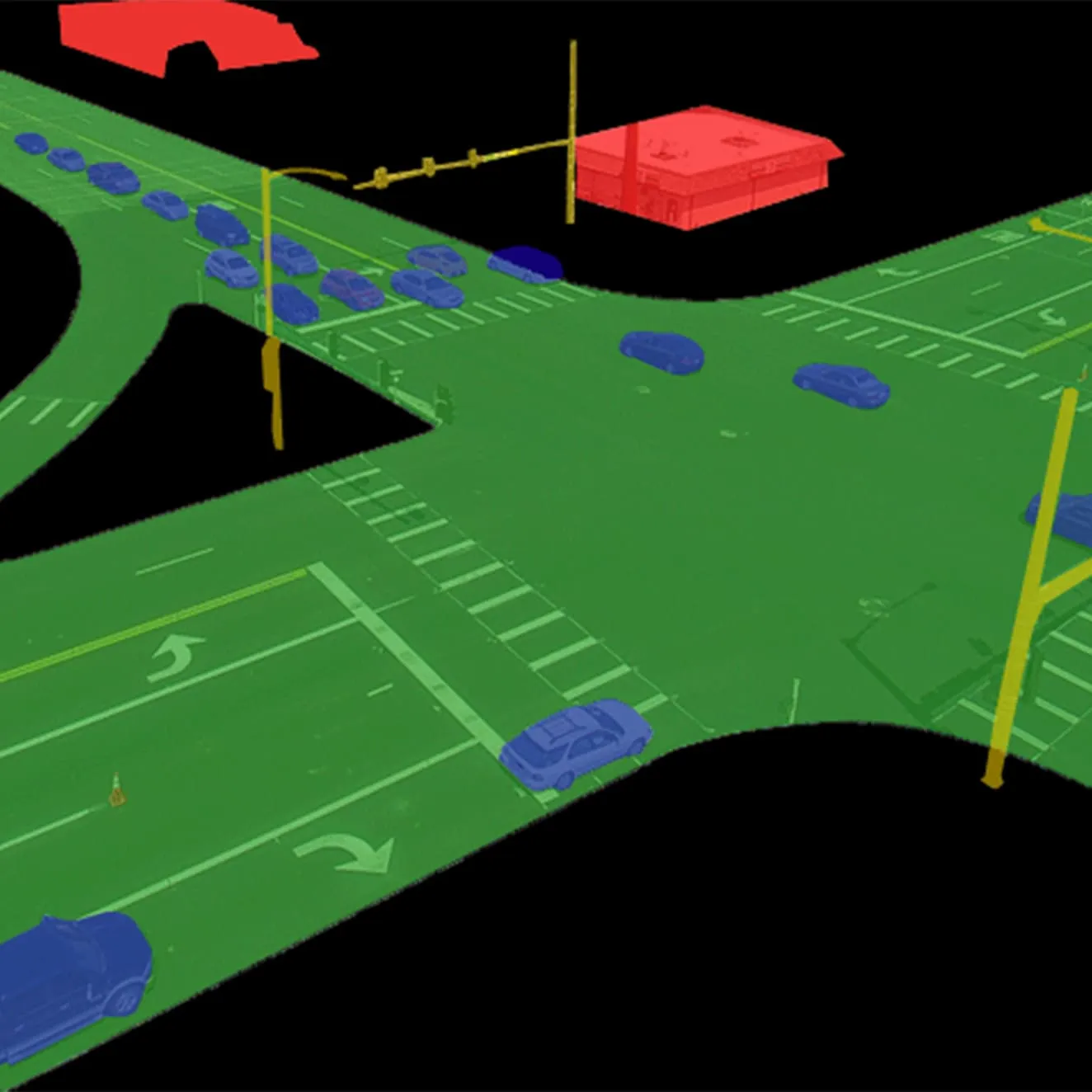
Semantic Segmentation Annotation
Semantic Segmentation or Semantic Analysis is an interaction of pixel-level picture division and comment. Self-driving vehicles, Drones and Robotics utilize this help for their datasets. In advanced picture preparation and PC vision, picture division is the way toward dividing a computerized picture into numerous sections of different pixels.The objective of the division is to rearrange as well as change the portrayal of a picture into something more significant and simpler to investigate.
It is commonly used to find items and limits in pictures. Even more unequivocally, picture division is the way toward allotting a mark to each pixel in a picture to such an extent that pixels with a similar name share certain attributes.
Semantic picture division is to name every pixel of a picture with a relating class of what is being addressed. Since we are anticipating each pixel in the picture, this undertaking is regularly alluded to as a thick forecast. The semantic division is distinctively utilized in vehicles and mechanical technology. The semantic division is not simply restricted to the car, mechanical technology, or self-sufficient flying items yet it additionally gives precise data to clinical conclusion through semantic division of clinical pictures.
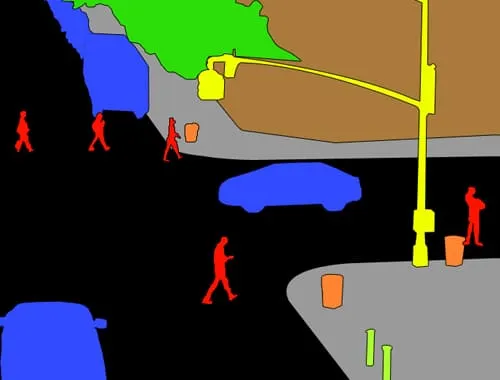
Semantic Segmentation
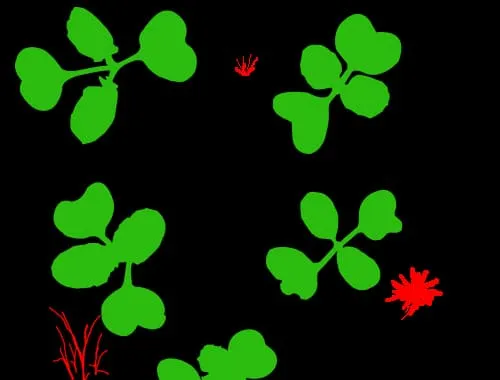
Stem Annotation
.webp)
Crop Annotation
Semantic segmentation has a wide scope of utilizations, like ecological insight in advanced mechanics and vehicles. The objective of semantic segmentation is to distinguish and dole out a class mark to every pixel in a picture
How Semantic Segmentation For Machine Learning Works?
Semantic segmentation will help the AI-based insight model to the group and distinguish the objects of interest with the pixel-wise distribution. Semantic segmentation gives explanation to order, limit, recognize and section various sorts of articles in the picture having a place with a solitary class. Semantic segmentation is a pioneer and is transforming the business with consistent picture division administrations. It is an answer that the world has been sitting tight for, and that is Human-controlled pixel-level picture division.
Regardless of whether it is a picture, video, or a 3D shape, with the help of semantic segmentation transform your unannotated pictures into explained ones. Present your information and get portioned and named ground truth information.
Semantic segmentation will make different items perceptible through occurrence division employing PC vision to restrict the article. It can imagine the various sorts of items in a solitary class as a solitary element, assisting insight with displaying to gain from such division and separate the articles apparent in characteristic environmental factors.
AI Segmentation Solution transforms your unannounced pictures into commented-on pictures with jumping boxes around objects of interest. The consistent 3D marking usefulness is the thing that makes picture division arrangement equipped for supporting a developing number of names for 3D naming. Self-governing vehicles chipping away at PC vision-based profound learning discernment model can learn better situations through more precise pixels to perceive the various classes of items on a street. While building up a self-driving vehicle, whereas we are giving the essential data to ensure it can move securely keeping away from a wide range of articles in its way.
To empower denser discovery for Computer Vision, the picture segmentation measure makes object identification a stride further. Example division helps with distinguishing objects inside a characterized class by making covers for every individual item in the picture. It is like semantic yet plunges somewhat more profound and recognizes for every pixel the article has a place with. Robotization support offers comments for example division profound learning calculations. Semantic segmentation also gives sensor-accommodating, paying little mind to the sort. You can send over information from any sort of sensor, and we will transform it into a total 3D scene.
Frequently Asked Questions
Find answers to the most commonly asked questions about our annotation services.